What exactly is an in silico model and why does it matter
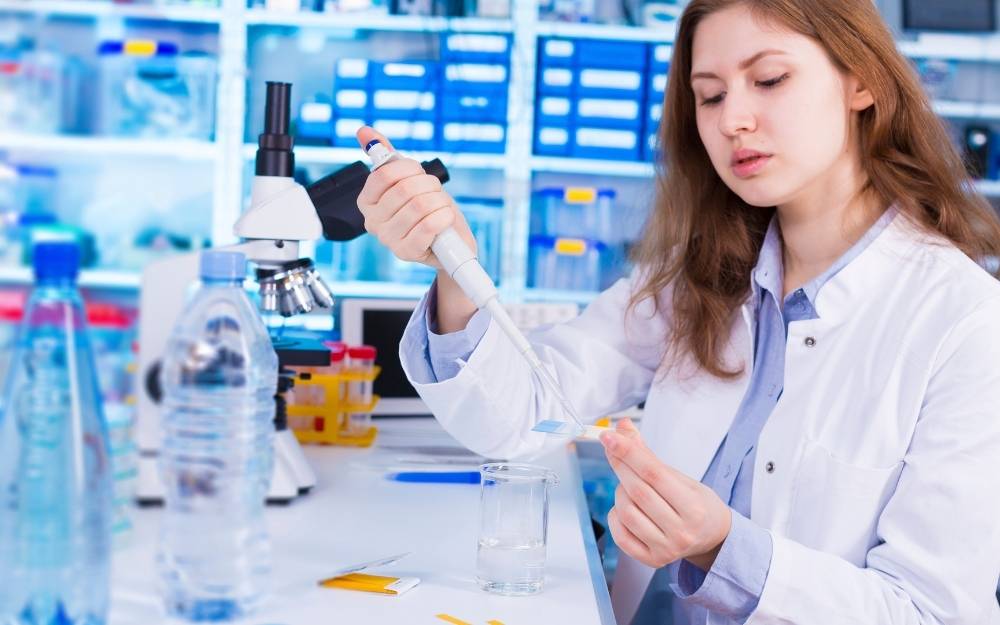
For decades, the world of biological research and drug development was defined by two primary environments: the living organism and the test tube. Scientists spoke of ‘in vivo’ studies, which take place within a living body, and ‘in vitro’ studies, which occur in a controlled laboratory setting like a petri dish or a flask. However, a third pillar has emerged that is rapidly becoming the backbone of modern science. This is the realm of the in silico model.
The term ‘in silico’ is a modern bit of pseudo-Latin that literally means ‘in silicon’. It refers to experiments and research performed via computer simulation. While it might sound like something out of a science fiction novel, the reality is that computational biology is now a fundamental part of how we understand complex diseases and develop the treatments of tomorrow. By using mathematical algorithms and massive datasets, researchers can now simulate how a new drug might interact with the human body before a single physical molecule is ever synthesised in a lab.
The shift towards this digital approach isn’t just about being high-tech; it is a response to the immense pressure on the pharmaceutical industry to find safer, more effective treatments faster and at a lower cost. Traditional drug discovery is notoriously slow and expensive, often taking over a decade and billions of pounds to bring a single product to market. Integrating an in silico model into the early stages of research allows scientists to filter out unsuccessful candidates early, saving time and resources for the most promising leads.

The mechanics behind the digital simulation
At its core, an in silico model is a mathematical representation of a biological system. This could be as simple as a single protein interaction or as complex as an entire metabolic pathway or a virtual human heart. To build these models, scientists gather vast amounts of data from previous in vivo and in vitro experiments, genomic sequences, and chemical properties. This data is then fed into sophisticated software that uses physics and chemistry-based equations to predict biological behaviour.
One of the most fascinating aspects of this technology is its ability to handle ‘what-if’ scenarios. Researchers can virtually ‘tweak’ a drug’s molecular structure and immediately see how that change might affect its binding affinity to a target receptor. This iterative process, which would take weeks or months in a physical lab, can be performed hundreds of times in a single day on a high-performance computer. This level of rapid prototyping is what makes the computational approach so revolutionary for modern medicine.
Key components of computational modelling
- Biological Data Integration: Combining information from proteomics, genomics, and clinical trials to create a holistic view of a disease.
- Mathematical Algorithms: Using differential equations and statistical models to simulate the dynamic behaviour of biological systems over time.
- High-Performance Computing: The hardware capability required to process millions of calculations simultaneously to produce accurate predictions.
- Visualisation Tools: Software that allows scientists to see 3D representations of molecular interactions, making it easier to identify potential problems or opportunities.
Why researchers are leaning on computer simulations
The move toward digital modelling is driven by several practical and ethical factors. Perhaps the most significant is the push to reduce the reliance on animal testing. While animal models have historically been vital for ensuring human safety, they are not always perfect predictors of human biology. Furthermore, there is a growing global movement to implement the ‘3Rs’—Replacement, Reduction, and Refinement—in animal research. Computational models provide a powerful way to replace certain animal tests or significantly reduce the number of animals needed by narrowing down the drug candidates to only the safest options.
Speed is another critical factor. In the face of global health crises, such as the recent pandemic, the ability to rapidly screen existing drugs for new uses or to design new vaccines was greatly enhanced by computational techniques. An in silico model can analyse the entire library of existing approved drugs against a new virus protein in a fraction of the time it would take to test them manually. This agility is becoming a standard requirement for any modern research facility.
The role of predictive toxicology and safety
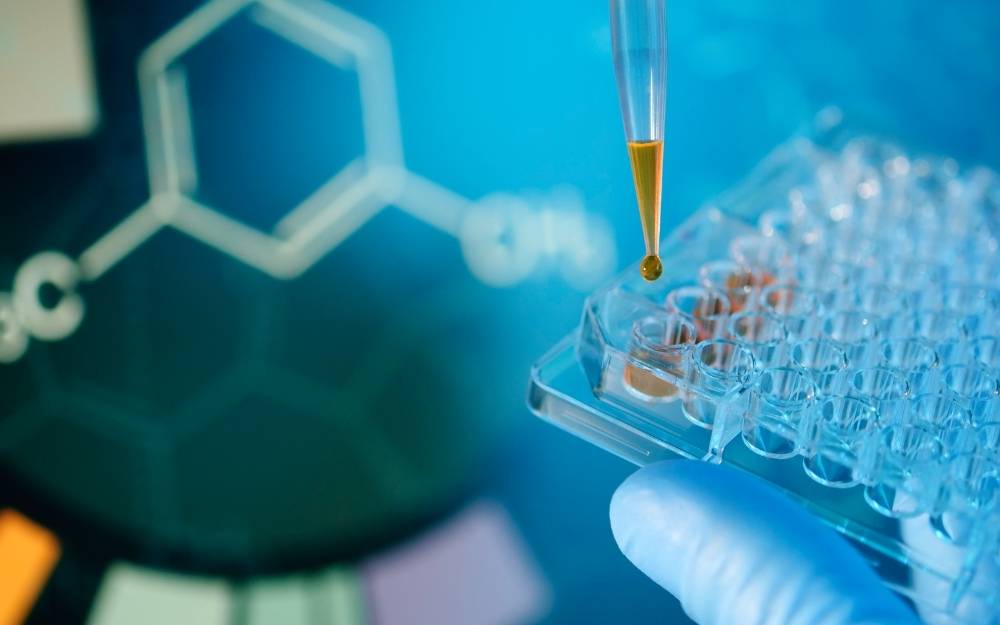
One of the most successful applications of this technology is in the field of toxicology. Before a drug ever reaches a human volunteer, scientists must be reasonably certain it won’t cause adverse effects, particularly to the heart or liver. Predictive toxicology involves using computer models to identify potential ‘off-target’ effects where a drug might interact with proteins it wasn’t intended to, leading to toxicity.
For example, cardiac safety is a major hurdle in drug development. Many drugs have been pulled from the market in the past because they interfered with the electrical signals in the heart. Today, researchers use virtual heart models to test how a new compound affects ion channels. By simulating these electrical impulses, they can spot potential risks for arrhythmia long before a physical trial begins. This proactive approach not only protects patients but also prevents companies from investing millions into a drug that is destined to fail safety checks.
The practical benefits of digital drug screening
- Cost Reduction: Identifying failures early in the ‘dry lab’ prevents expensive ‘wet lab’ mistakes and failed clinical trials.
- Personalised Medicine: Models can be adjusted to represent different patient demographics, such as children, the elderly, or people with specific genetic mutations.
- Environmental Impact: Less physical waste is produced when thousands of experiments are conducted digitally rather than with chemical reagents.
- Regulatory Acceptance: Major bodies like the FDA and EMA are increasingly accepting computational data as part of the evidence for new drug approvals.
Navigating the challenges of biological complexity
Despite the incredible progress made in this field, it is important to recognise that biology is extraordinarily complex. A computer model is only as good as the data used to build it—a principle often referred to as ‘garbage in, garbage out’. If the underlying biological mechanisms are not well understood, the model may produce inaccurate predictions. This is why the most effective research strategies involve a hybrid approach, where computational findings are continuously validated by laboratory experiments.
Furthermore, the human body is not a static system; it is a dynamic, interconnected network. Simulating how a drug travels through the digestive system, enters the bloodstream, is metabolised by the liver, and finally reaches its target—all while considering individual genetic variations—is a monumental task. However, as machine learning and artificial intelligence continue to evolve, these models are becoming increasingly sophisticated. We are moving toward a future where ‘digital twins’ of patients could be used to test treatments in a completely risk-free environment, ensuring that the right patient gets the right dose of the right medicine every time.
The integration of these digital tools is not about replacing human scientists or traditional laboratories. Instead, it is about augmenting human intelligence with computational power. By taking over the heavy lifting of data analysis and pattern recognition, the computer allows the scientist to focus on the creative and analytical aspects of discovery. As we continue to refine these techniques, the line between the digital and the biological will continue to blur, leading to a more efficient and humane era of medical advancement.

Emma Harrison is a news writer passionate about human interest stories and social issues. Her work centers on highlighting underreported topics, offering thoughtful commentary, and connecting readers with compelling narratives.